




Business Property Taxes and Deductions: What Business Owners Should Know
Fact Checked
FileTax.com content is reviewed for accuracy, timeliness, and completeness. It undergoes a structured editorial review process involving writers and expert reviewers.
More on our editorial standards Meet our editorial team Todd MonahanTax Content Specialist
 Lea Uradu, JDTax Content Reviewer
Your Takeaways:
- Business property taxes apply to buildings, land, and certain equipment.
- Both real and personal business property may be taxable.
- Business property taxes are generally deductible on federal returns.
- Deductions are claimed in the year the taxes are paid.
- Depreciation and property tax deductions work separately.
When you file your business personal property return each tax year, you may need to pay taxes on assets like business furniture, fixtures, and equipment. Not all property is taxed; some exempt businesses and disposed assets don’t require reporting. To stay compliant with business taxation, keep all your resources and paperwork organized.
As a business owner, you’re likely no stranger to taxes. From income and sales taxes to payroll taxes, it feels like a never-ending list.
But there’s another important one to keep on your radar: business property taxes.
Similar to personal property tax, these local taxes apply to the physical assets your business owns. If you want to manage your expenses and keep your business running smoothly, you need to keep a close eye on what these taxes are and what kinds of deductions you might qualify for.
What Are Business Property Taxes?
Definition: Business property taxes are local or state taxes charged on land, buildings, or equipment owned by a business to fund public services. |
|---|
Unlike federal income taxes, business property taxes are handled at the state and local levels (again, just like the personal property tax you might pay on your home). They are the primary way towns, cities, and counties fund public services like schools, roads, and first responders. If your business owns any physical assets, you’ll likely receive a property tax bill from your local government.
These taxes fall into two main categories: taxes on real property and taxes on personal property. Real property refers to land and any structures attached to it, like an office building or a warehouse. Personal property covers movable assets, such as computers, office furniture, or specialized machinery.
While these taxes are paid locally, the great news is that they’re generally still deductible on your federal income tax return.
Curious about how different states handle this? Be sure to check out our comprehensive guide to property tax laws.
Real vs. Personal Business Property
The first step in understanding your tax obligation is to distinguish between real and personal property. Real property is immovable, generally referring to the land your business sits on and the building itself.
Business personal property, on the other hand, includes all the tangible, movable items you use to run your operations.
Here’s a simple breakdown to help you keep them straight:
Property Type | Example | Taxed By | Deductible? |
|---|---|---|---|
Real Property | Office building, factory, or land | Local government (county or city) | Yes |
Business Personal Property | Machinery, computers, vehicles, tools, or office furniture | State or local agency | Yes |
Intangible Property | Patents, copyrights, or trademarks | Usually not subject to property tax | Only if income tax is levied on any royalties received, or from capital gains upon sale |
One detail that’s important to note is that not all states tax business personal property. Some have minimum value thresholds, meaning if your equipment’s total value is low enough, you might not owe any personal property tax at all. This is a big win for small businesses and is one of the several common property tax exemptions available.
How Business Property Taxes Are Calculated
The calculation process for business property taxes is relatively straightforward, though the specific tax rates and assessment methods can vary by location.
Here’s the general flow:
Assessment
A local assessor determines the market value of your property. For real property, this might involve an on-site inspection or analysis of similar commercial property sales. For personal property, you’ll often need to file a report listing your assets and their original cost.
Tax Rate Application
The local government applies its tax rate to the assessed value of your property. Commercial tax rates are often different from residential ones.
Billing
You receive a tax bill, usually once or twice a year, detailing the amount owed and the due date.
Example: Your small manufacturing business owns its building, which the county assessor values at $500,000. If the local commercial tax rate is 1.2%, your annual real property tax bill would be: $500,000 (Assessed Value) x 0.012 (Tax Rate) = $6,000. You can typically deduct the full $6,000 on your federal tax return for the year you make the payment. |
|---|
For a more thorough explanation on how values for property taxes are determined, check out our guide on property taxes explained.
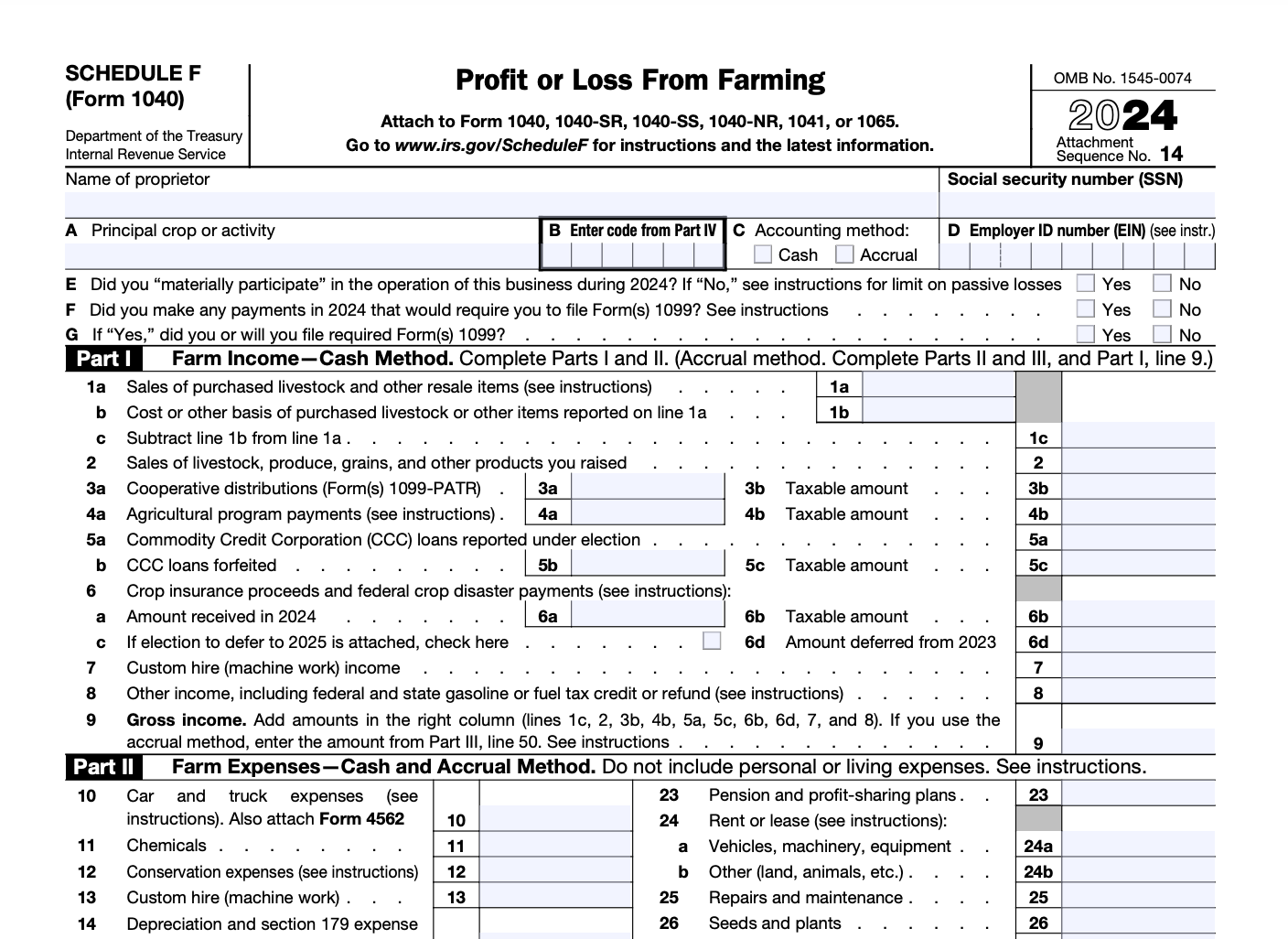
One of the biggest benefits of paying business property taxes is that they are a deductible expense. This reduces your taxable income, which in turn lowers your federal tax bill.
When you report the deduction ultimately depends on your business structure:
- Sole Proprietors: Report property tax on Schedule C (Form 1040), Line 23 for "Taxes and Licenses."
- Farmers: Use Schedule F (Form 1040), Line 31.
- Partnerships and Corporations: Deduct property taxes as a business expense on Form 1065 or Form 1120.
It’s important to remember that in most cases, you must deduct the taxes only in the year they were paid, not in the year they were assessed. So if you receive a bill in December 2025, but don’t pay it until January 2026, the deduction must be claimed on your 2026 tax return. However, depending on the type of accounting methods your business uses, you may be able to deduct taxes in the year you received the bill even if the payment doesn't occur or clear until the following tax year. Always ask an accountant for personalized advice.
Example: Your retail business paid a total of $8,000 in property taxes on its storefront during 2025. You can deduct the full $8,000 on your 2025 federal tax return. |
|---|
Not everything on your tax bill is deductible. Special assessments for local benefits, such as new sidewalks or sewer lines that increase the value of your property, generally can’t be deducted. The costs are instead added to the basis of your property. The IRS has more information on this in Publication 535, Business Expenses.
Depreciation and Property Tax Interactions
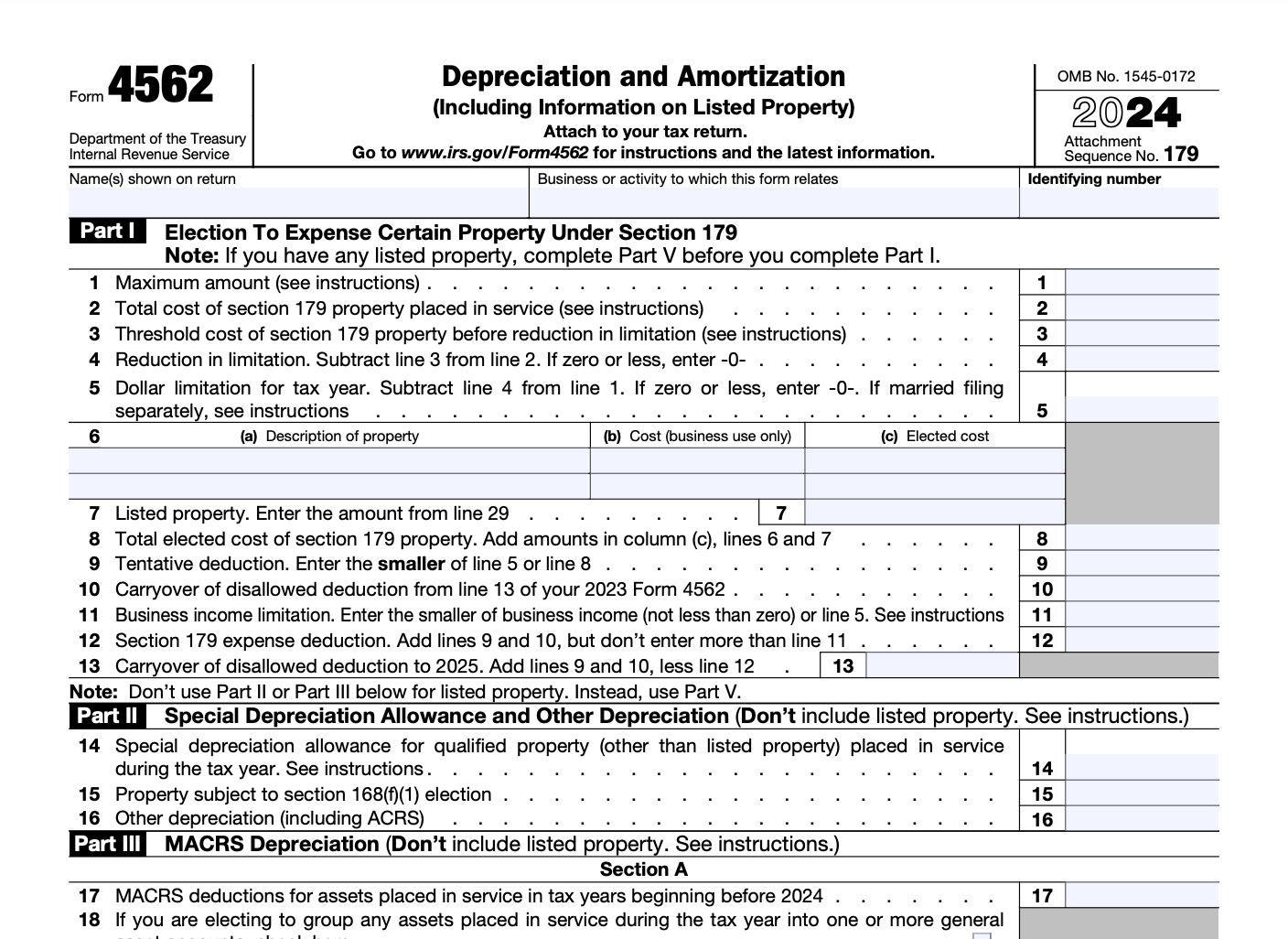
While you deduct property taxes annually, the cost of the property itself is handled differently through the process of depreciation. You’ll want to understand both processes so you can maximize your tax savings, especially if you’re weighing the many loan against property tax benefits.
- Property Taxes: An annual expense deduction for the taxes you pay on property you own.
- Depreciation: An annual deduction that allows you to recover the cost of an asset over its useful life.
Example: You buy a new piece of machinery for $100,000. You can’t deduct the full $100,000 in the purchase year. Instead, you deduct a portion of its cost each year through depreciation. At the same time, you'll also pay annual personal property tax on that machine, and you can deduct that tax payment separately each year. |
|---|
You’ll use Form 4562, Depreciation and Amortization, to calculate and report your depreciation deduction.
Property Tax Exemptions
Several states offer exemptions that can reduce or eliminate your business property tax bill. They’re meant to support certain industries or lessen the burden on small businesses.
Some of the most common exemptions include:
- Small Business Exemptions: Some states exempt all business personal property if its total value falls below a certain threshold, like $50,000 or $100,000.
- Agricultural Exemptions: Property used exclusively for farming is often assessed at a lower value or may be fully exempt.
- Nonprofit and Charitable Organizations: Property owned and used by qualifying nonprofits is typically exempt from property taxes.
- Inventory: Most states do not tax business inventory that is for sale to the public.
It’s always worth checking your state and local government websites to see what property tax exemptions.
How to Keep Records for Property Tax Deductions
The IRS is a stickler for good record-keeping, especially when it comes to business property tax deductions. If you’re ever audited, you’ll need to prove that you paid the taxes you claimed when you filed.
Be sure to keep track of the following documents:
- Your official property tax bills from the local assessor or tax collector.
- Proof of payment, such as canceled checks, bank statements, or credit card receipts.
- Your business’s financial records (e.g., your accounting log) showing the expense.
A good rule of thumb is to maintain these records for at least three to seven years. If you can, store them digitally so they’re easy to access, and do what you can to protect them from any damage. You need to make sure you’re in compliance with any and all property tax laws.
Staying on Top of Business Personal Property Taxes
Running a business is hard enough without having to worry about taxation.
But once you have a handle on your business property taxes, you’ll be better equipped to manage expenses, stay in compliance with local laws, maximize your federal deductions, and most importantly, keep your business running smoothly.
Keep careful records and stay up to date on the latest laws. That way, you can make sure you’re not paying a cent more than your business owes.
💡 File your taxes with confidence. FileTax.com automatically applies property tax deductions, SALT credits, and renter relief programs when you file online.
Frequently Asked Questions
Yes, business property taxes paid on real and personal property are generally fully deductible as a business expense in the year you pay them. This deduction helps lower your overall taxable income.


