



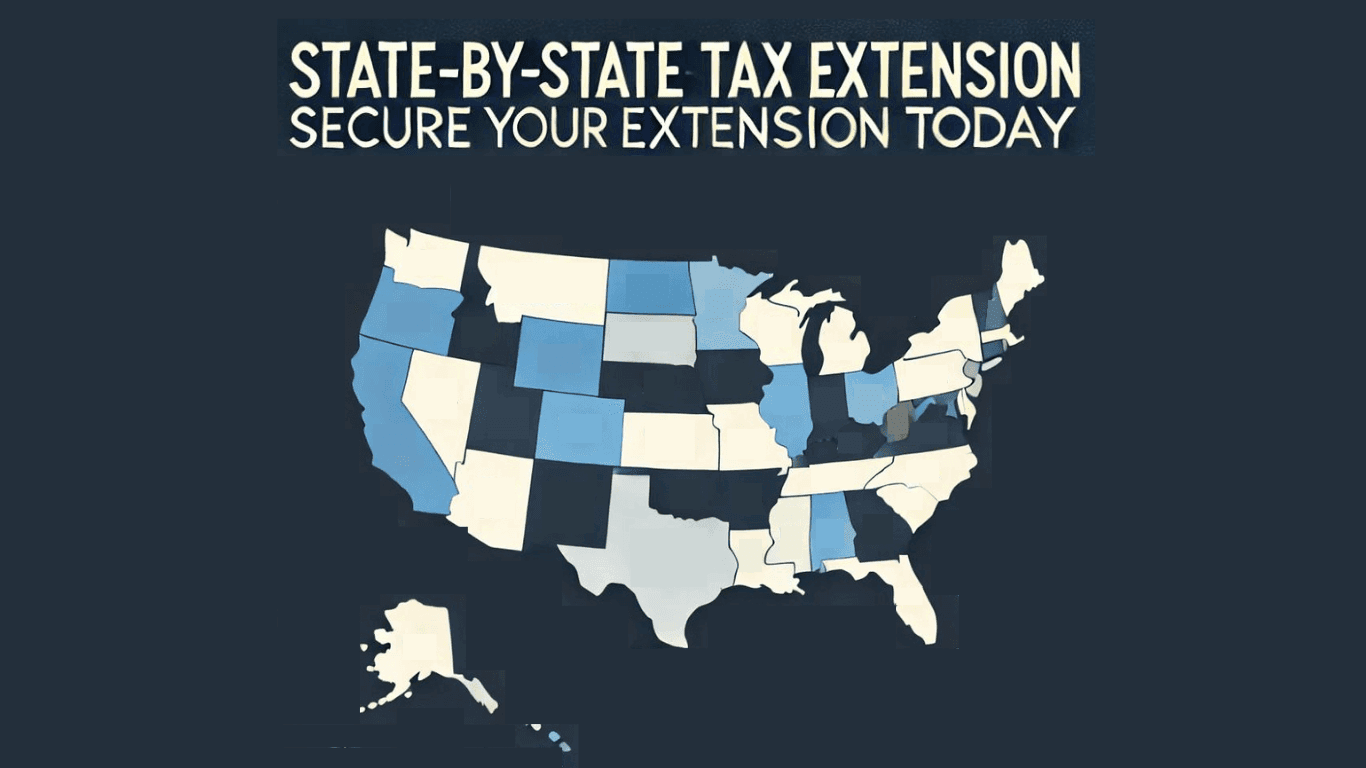
Filing a State Tax Extension? Key Deadlines and How to Apply
A state tax extension provides up to six additional months to file your state income tax return—not to pay any taxes owed.
Fact Checked
FileTax.com content is reviewed for accuracy, timeliness, and completeness. It undergoes a structured editorial review process involving writers and expert reviewers.
More on our editorial standards Meet our editorial team Andrew WalshCPA, CFP CTFA & Tax Content Specialist
 Lea Uradu, JDTax Content Reviewer
Your Takeaways:
- What a state tax extension is and how it works
- Step-by-step guide to filing your state tax extension form
- Benefits of filing a state tax extension (extra time, fewer penalties)
- Common mistakes to avoid when requesting an extension
- Differences between federal and state tax extensions
- FAQs covering deadlines, payments, and refunds
Navigate the tax extension process with ease for any state.
Don’t stress—filing a state tax extension is easier than it sounds.
Just follow a few simple steps to stay on track. You’ll avoid late fees, hit your deadlines, and give yourself extra breathing room to finish your return.
If you want a full walkthrough of the process, check out our step-by-step tax extension guide for a clear breakdown of how extensions work.
State Tax Extension: Quick Answer
A state tax extension gives you additional time to file your state tax return, usually up to six months beyond the original deadline.
However, an extension to file does not extend the deadline to pay taxes owed. Most states still require payment by the original filing deadline, typically in April.
State extension rules vary. Some states accept the federal tax extension filed with IRS Form 4868, while others require a separate state extension form.
Check whether your state accepts the federal extension before you file a separate state form.
Why File a State Tax Extension?
Life happens—and that’s okay.
Whether you're missing documents, dealing with a family issue, or going through a big change, filing your taxes can feel like a lot. The good news? A valid state extension generally provides additional time to file, commonly six months. It does not extend the payment deadline, and interest or late-payment penalties may apply to unpaid tax.
Here’s the catch: you still need to pay what you owe by the regular deadline.
But don’t worry—this guide walks you through how to file an extension, avoid fees, and keep things calm and easy.
State Tax Extension: What It Is and How to File
Think of a state tax extension like hitting snooze—you get more time to file.
But heads up: you still have to pay your taxes by the regular deadline.
Many states grant an automatic filing extension (commonly six months) when you file a federal Form 4868 extension. However, specific deadlines vary by state—some may extend to mid-October, others to the end of October or mid-November.
Keep in mind: Filing a state extension does NOT extend payment deadlines. Most states require any owed amount to be paid by mid-April, though exact dates vary (e.g., Iowa requires payment by April 30).
Benefits of Filing a State Tax Extension:
Here’s why requesting a state tax extension can be a smart move:
- If you miss the extension-request deadline, file the return and pay any balance as soon as possible to limit additional penalties and interest.
- Use the extra time to gather your documents. This helps you report everything correctly and avoid errors.
- Take your time to finish your tax return carefully. It can help you avoid an audit.
- Make tax season less stressful! If you need more time, use the extended deadline to file.
A state extension gives you more time to file, not more time to pay.
You still need to send in any tax payments by the original deadline. Paying on time helps you avoid penalties and keeps you in the clear with the state.

State Tax Extension Rules by State
State tax extension rules vary across the country. Some states automatically accept the federal tax extension, while others require a separate state extension form.
Use the guide below to find the extension rules for your state.
For income tax rates, filing deadlines and refund details by state, see our U.S. state tax guide.
Each date below is that state's standard extension deadline. Where one falls on a weekend or legal holiday, most states move it to the next business day. The state's own page carries the exact date for this filing year.
State | Extension Deadline | State Guide |
|---|---|---|
Alabama | October 15 | |
Alaska | N/A | None |
Arizona | October 15 | |
Arkansas | October 15 | |
California | October 15 | |
Colorado | October 15 | |
Connecticut | October 15 | |
Delaware | October 15 | |
District of Columbia | October 15 | None |
Florida | N/A | None |
Georgia | October 15 | |
Hawaii | October 20 | |
Idaho | October 15 | |
Illinois | October 15 | |
Indiana | October 15 | |
Iowa | October 31 | |
Kansas | October 15 | |
Kentucky | October 15 | |
Louisiana | November 15 | |
Maine | October 15 | |
Maryland | October 15 | |
Massachusetts | October 15 | |
Michigan | October 15 | |
Minnesota | October 15 | |
Mississippi | October 15 | |
Missouri | October 15 | |
Montana | October 15 | |
Nebraska | October 15 | |
Nevada | N/A | None |
New Hampshire | N/A | None |
New Jersey | October 15 | |
New Mexico | October 15 | |
New York | October 15 | |
North Carolina | October 15 | |
North Dakota | October 15 | |
Ohio | October 15 | |
Oklahoma | October 15 | |
Oregon | October 15 | |
Pennsylvania | October 15 | |
Rhode Island | October 15 | |
South Carolina | October 15 | |
South Dakota | N/A | None |
Tennessee | N/A | None |
Texas | N/A | None |
Utah | October 15 | |
Vermont | October 15 | |
Virginia | November 1 | |
Washington | N/A | None |
West Virginia | October 15 | |
Wisconsin | October 15 | |
Wyoming | N/A | None |
When Should You File for an Extension?
Consider filing an extension if:
- Complex Tax Situations: If you own a business, have investments, or multiple incomes, your taxes might take more time. A tax expert can help you file on time and do it right!
- Missing Documents: Important papers, like 1099s or investment statements, sometimes show up late.
- Life Changes: Big changes like getting married, having a baby, or earning more money can make taxes harder. You might need extra time to sort it all out!
- Procrastination: Let’s face it—taxes aren’t fun for everyone. Some people just need more time to get things done.
What Happens if You Don't File an Extension
If you don’t file an extension (or your state does not grant one automatically), you’ll face both late-filing and late-payment penalties and interest on any taxes owed after the deadline. Late-filing penalties can be as high as 5% per month, up to 25%, and interest accrues separately.
How to File Your State Tax Extension Form: Step-by-Step Guide
Common Steps for All Filers
1. Gather Your Documents:
You’ll need W-2s, 1099s, and other financial documents to complete your state income tax return.
2. Estimate Your Tax Liability:
You don’t have to be perfect. Just use last year’s return as a guide and update it for any big changes!
Make sure estimates are accurate to avoid penalties.
3. Fill Out the Correct Extension Form:
Each state has its own state extension form. Find it on your state tax authority’s website.
4. Submit the Form:
Send your extension form to your state’s tax office by the original deadline. Many states let you submit it online!
5. Pay What You Owe:
A state tax extension gives you more time to file, not more time to pay. Make sure to pay any taxes you owe by the deadline. That way, you’ll skip the extra fees and keep things smooth.
Additional Considerations
- S Corporations: S Corporations pass income to their owners, but they still need to pay certain state taxes, like franchise taxes.
- C Corporations: C Corporations usually have to pay state income tax. You need to estimate it and send the payment with the extension form.
Need step-by-step help?
See our complete guide explaining how to file a tax extension.

Federal vs. State Extensions: Know the Difference
Federal and state extensions aren’t the same.
Form 4868 gives you more time for your federal taxes. But each state has its own rules and deadlines.
If you owe state taxes, you may need to file a separate form for each one. Don’t stress—we’ll help you figure it out, one state at a time.
Example: In California, the Franchise Tax Board (FTB) handles state tax extensions with its own set of guidelines. Not every state makes it that easy, so be sure to double-check.
Types of Tax Returns and Extensions You Should Know
When tax season hits, it’s important to understand the different types of tax returns and how to handle extensions:
- Federal Income Tax Return: This is the main tax return you file with the IRS. Need extra time? Fill out IRS Form 4868 to get an extension!
- State Income Tax Return: States have different filing and extension rules. Some accept your federal extension, while others require a separate form. In addition, some states grant automatic extensions for all taxpayers.
- Estimated Tax Payments: Think you’ll owe taxes? Pay an estimate by the deadline to avoid penalties! However, late payment rules vary from state to state.
Federal and state tax rules aren’t the same. Know the difference so you can file your federal extension and handle your state taxes with ease!
Common Mistakes and How to Avoid Them
Tax extensions are straightforward, but it’s easy to trip up. Here’s what to watch for:
- Missing the deadline. Set calendar reminders and avoid the last-minute panic.
- Incorrect forms. Double-check that you’re using the right state-specific form.
- Underestimating taxes. Make your estimate as accurate as possible to avoid penalties.
Income Taxes: Statistics
Salary Trends (2011-2021)
Analyzing the Steady Increase in Salaries over a decade:

This chart shows how average salaries grew from 2011 to 2021.
In 2011, total salaries were around $6 trillion. By 2021, they had passed $9 trillion. This steady climb reflects a growing economy and rising wages.
All Tax Returns vs Electronically Filed Returns (2011-2021)
Tracking the Growth of Electronically Filed Returns over a Decade:
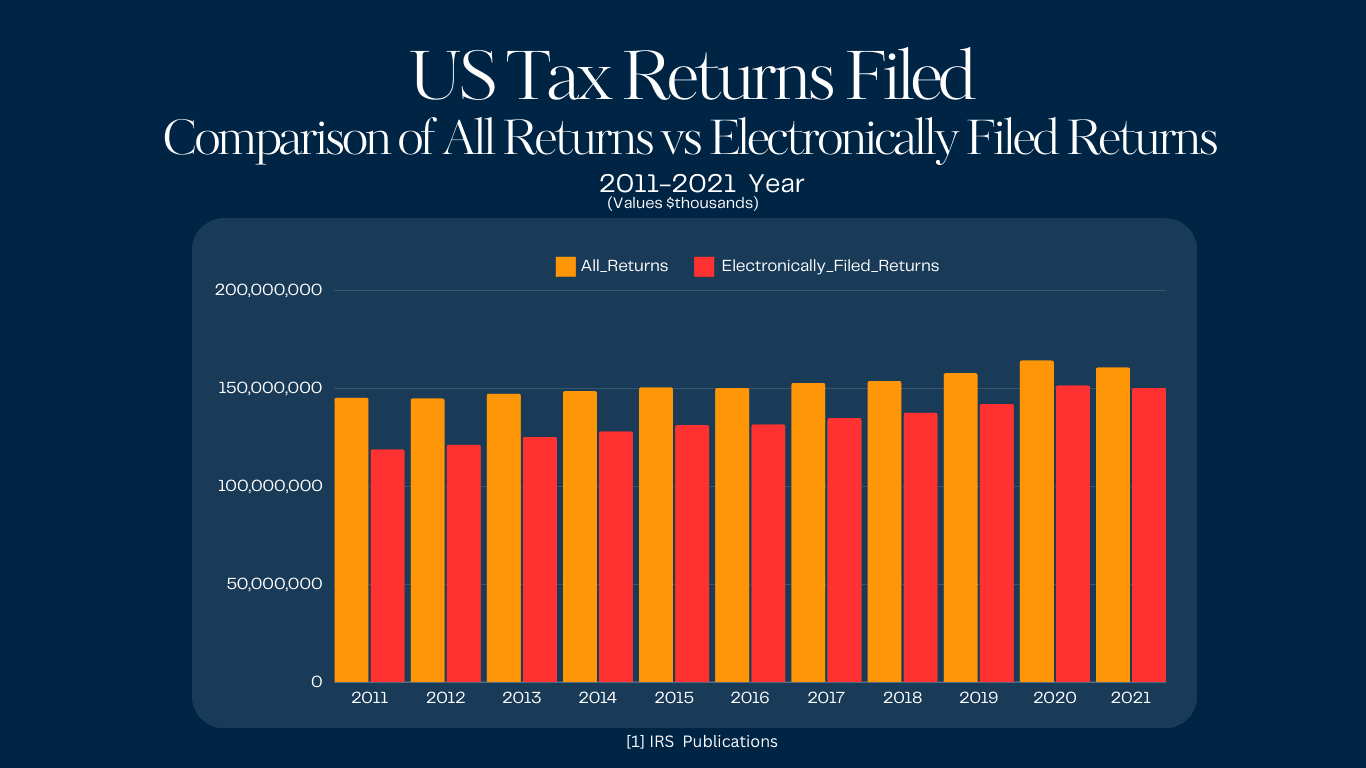
This chart shows the total tax returns and e-filed returns from 2011 to 2021. Both have increased over time, but e-filed returns grew faster. By 2020, most tax returns were filed online, showing the move to digital filing.
Which income types show up on a state's returns varies widely. FileTax.com's tax complexity rankings for all 50 states score every state on six of them, including rental and royalty income, the leading indicator across the Dakotas, Iowa and Kansas.
Need Help? Get Personalized Assistance!
Feeling overwhelmed? Our team is here to provide personalized assistance with your federal tax extensions. Start your tax extension today!
State Income Tax Extension Tools and Resources
- Online Payments Calculator: Use the online Tax Withholding Estimator to determine how much you owe and what to pay with your extension request.
- Most states have their own calculators to help you. Use them to check that you meet all the rules!
State | State Extension Guide | State Tax Website |
|---|---|---|
Alabama | ||
Alaska | None | |
Arizona | ||
Arkansas | ||
California | ||
Colorado | ||
Connecticut | ||
Delaware | ||
District of Columbia | None | |
Florida | None | |
Georgia | ||
Hawaii | ||
Idaho | ||
Illinois | ||
Indiana | ||
Iowa | ||
Kansas | ||
Kentucky | ||
Louisiana | ||
Maine | ||
Maryland | ||
Massachusetts | ||
Michigan | ||
Minnesota | ||
Mississippi | ||
Missouri | ||
Montana | ||
Nebraska | ||
Nevada | None | |
New Hampshire | None | |
New Jersey | ||
New Mexico | ||
New York | ||
North Carolina | ||
North Dakota | ||
Ohio | ||
Oklahoma | ||
Oregon | ||
Pennsylvania | ||
Rhode Island | ||
South Carolina | ||
South Dakota | None | |
Tennessee | None | |
Texas | None | |
Utah | ||
Vermont | ||
Virginia | ||
Washington | None | |
West Virginia | ||
Wisconsin | ||
Wyoming | None |
Don’t Stress, Just File
Need more time? A state tax extension gives you peace of mind and up to six extra months to file accurately. Request any required extension by the deadline and pay the estimated tax due by the state’s original payment deadline to avoid penalties.
Need help with your federal tax extension? Start your tax extension today!
FAQs: Frequently Asked Questions
You’ll face late-filing penalties and interest. We recommend filing your returns on or before the extended due date.


