




Home Equity Loan and HELOC Interest: When Is It Tax Deductible?
Fact Checked
FileTax.com content is reviewed for accuracy, timeliness, and completeness. It undergoes a structured editorial review process involving writers and expert reviewers.
More on our editorial standards Meet our editorial team Todd MonahanTax Content Specialist
 Lea Uradu, JDTax Content Reviewer
Your Takeaways:
- A loan against property lets you borrow using your home as collateral.
- Interest may be tax deductible only if funds improve the secured property.
- HELOCs and home equity loans have different repayment structures.
- Using funds for personal expenses eliminates tax benefits.
- You must itemize to claim the mortgage interest deduction.
A home equity loan or home equity line of credit (HELOC) lets you borrow against the value of your home. The interest may be tax deductible, but only if you use the money to buy, build, or substantially improve the home that secures the loan. Borrowing against your home also comes with risk.
Your home is more than a place to live. It is also a financial asset, and you can borrow against the equity you have built up. Lenders often call this a loan against property, a property loan, or a mortgage loan.
Before you sign, it helps to know how these loans work at tax time: when the interest is deductible, how to claim it, and what records to keep.
What Is a Loan Against Property?
A loan against property allows you to borrow money using your home’s equity (in other words, the difference between your property’s market value and the outstanding loan amount on your current mortgage) as collateral. The bigger your equity, the higher your potential property loan amount.
As you pay down your existing mortgage (the principal outstanding), or as your home’s market value increases, your repayment capacity and eligibility for a higher loan against property improves.
Definition: A home equity loan or HELOC is a secured loan that lets a homeowner borrow against the equity in their home, using the home as collateral. |
|---|
There are two main types of property loans:
- Home Equity Loan: This is a fixed-rate loan where you get the entire loan amount upfront and repay it over a fixed tenure. You make regular payments that cover both principal and interest. If you know your exact financial needs, like a large renovation, it’s a straightforward option.
- Home Equity Line of Credit (HELOC): Think of this as a revolving line of credit linked to your property, similar to an overdraft facility. You’re approved for a maximum loan amount and can draw money as needed. During the draw period, you generally pay interest only on the amount you use, not the full facility. Eventually, you enter the repayment tenure, when you must pay off both principal and interest.
Remember: your mortgaged property secures these loans. If you don’t pay, the bank can take possession through foreclosure.
So, whether your goal is business expansion or perhaps other big-ticket home improvements, make sure you take the time to compare competitive interest rates, understand any processing fees or prepayment charges, and review the maximum term offered by lenders.
For more on applicable taxes and how they interact with your property loan, check out our article on property taxes explained.
When Is Interest on a Loan Against Property Tax Deductible?
You might’ve heard that you can deduct interest paid on a loan against property from your taxable income, but the IRS makes clear distinctions about this. Not all uses of the funds qualify for a mortgage interest deduction.
According to the IRS, the interest paid on a home equity loan or HELOC is only deductible if you use the loan proceeds to “buy, build, or substantially improve” the home that secures the loan. "Substantially improve" means the work adds significant value to your home, prolongs its useful life, or adapts it for new uses.
If you decide to use the funds for personal expenses like consolidating debt, paying for education, taking a vacation, or even covering medical bills, the HELOC interest is not tax-deductible.
Let’s look at two examples:
Example:
|
|---|
Make sure you have a clear understanding of these rules, which are laid out clearly in IRS Pub. 936, so you can maximize the tax benefits of owning a home.
How to Claim the Interest Deduction
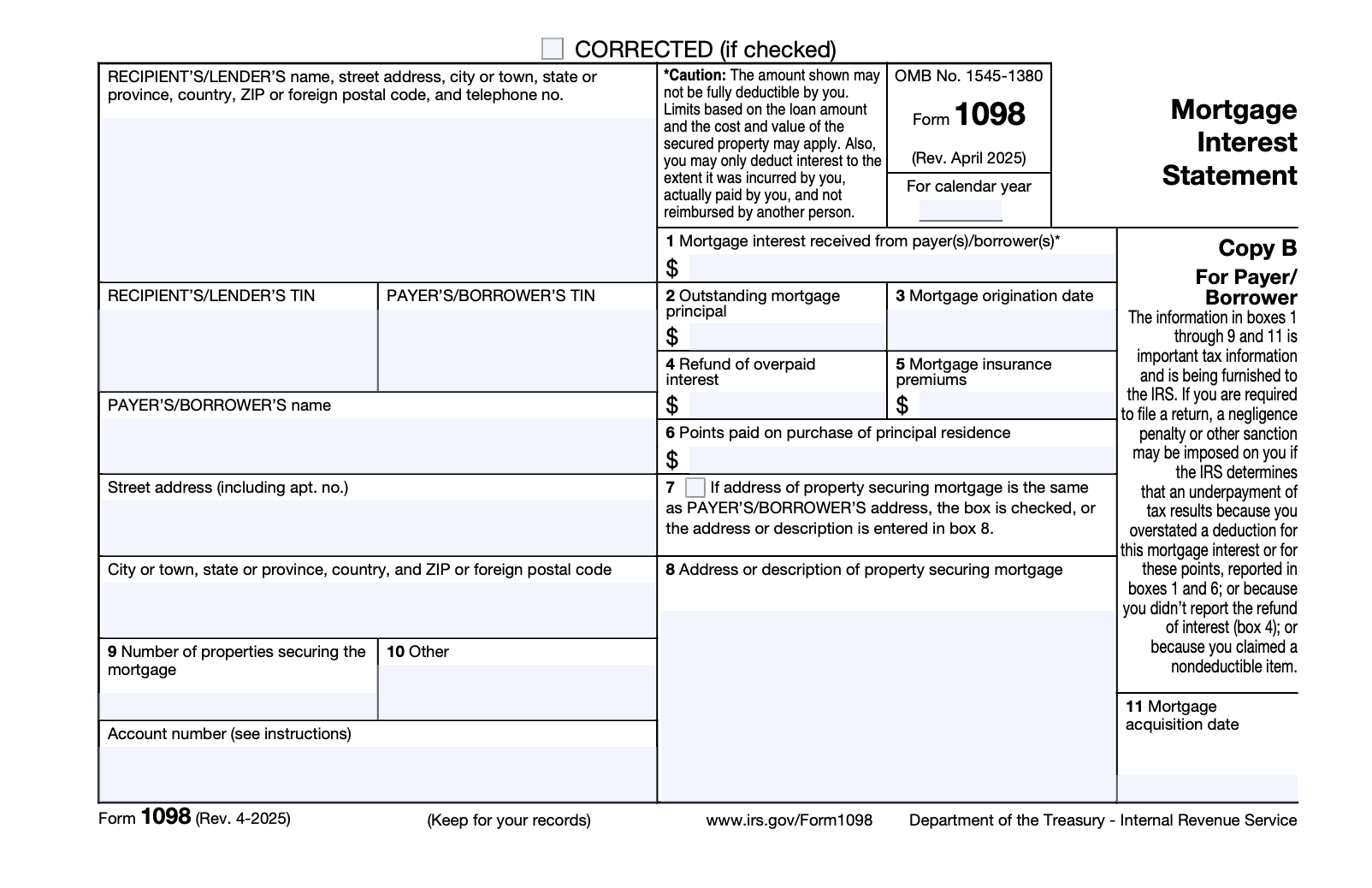
If you’ve used your loan funds for qualified home improvements and want to get the deduction, the process is relatively straightforward. Follow these steps:
Receive Form 1098
At the beginning of the year, your lender will send you Form 1098, the Mortgage Interest Statement. This form reports the total amount of interest you paid on your loan during the previous year.
Confirm Qualified Use
Make sure the loan proceeds were used exclusively for buying, building, or substantially improving your home. If you used part of the loan for qualified expenses and part for personal expenses, you can only deduct the interest on the portion used for home improvements.
Itemize Your Deductions
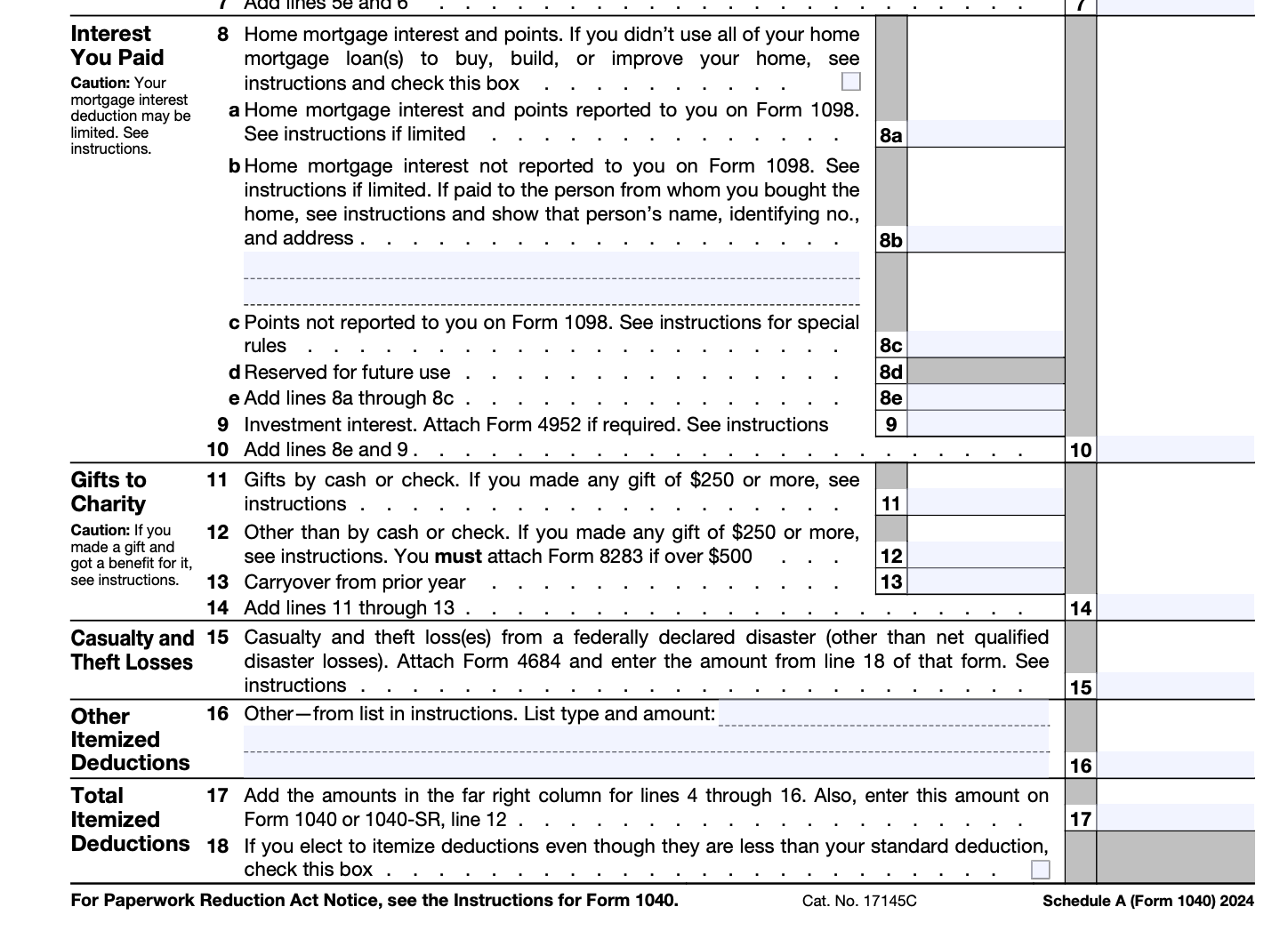
To claim the mortgage interest deduction, you must itemize your deductions on your tax return using Schedule A (Form 1040). You cannot claim this benefit if you take the standard deduction.
Report the Interest
Enter the deductible interest amount on the appropriate line of Schedule A (typically line 8a).
Just remember: you need to keep meticulous records of everything you used the loan funds for. If the IRS ever questions your deduction, you must have proof that the funds were used for qualifying purposes and nothing else.
Risks of Taking a Loan Against Property
While the loan against property tax benefits are undeniably appealing, these unique financial products come with some significant risks that every homeowner should consider:
Risk of Foreclosure
The most significant risk is that your home is the collateral. If you are unable to make your monthly payments for any reason (such as job loss or unexpected medical bills), the lender has the legal right to foreclose on your property.
Increased Debt Burden for a Longer Tenure
Adding a second loan on top of your primary mortgage increases your total debt, generally for a longer period of time. This can strain your monthly budget and make it harder to manage other financial obligations.
Impact on Future Financing
Having a large loan against your property can reduce your home equity, which might make it more difficult to sell your home or refinance your primary mortgage in the future.
Variable Interest Rates (for HELOCs)
Many HELOCs come with variable interest rates. If market rates rise, your monthly payments could increase unexpectedly, putting a strain on your budget.
No Tax Benefit for Personal Use
As highlighted earlier, borrowing for non-qualified expenses offers no tax relief.
Example: Taking a $30,000 home equity loan for a car purchase adds a significant long-term debt to your name without any corresponding tax deduction on the interest paid. |
|---|
Recordkeeping and Documentation
Again, if you plan to claim the interest deduction, proper documentation is non-negotiable. The IRS will require you to prove how the loan funds were spent. Keep the following records for at least three years after filing your tax return:
- Loan Agreement: The original loan or HELOC agreement from your lender.
- Receipts and Invoices: Keep all receipts for materials, invoices from contractors, and any other documentation related to the home improvement projects.
- Proof of Payment: Canceled checks, bank statements, or credit card statements that show payments to contractors or suppliers should be kept on file as well.
- Before-and-After Photos: While they’re not technically required, photos can provide strong visual evidence of the improvements made.
While there’s no requirement for how these records are stored and organized, it’s important that you find a system that works for you. This way, you can remain in compliance with any and all property tax laws.
Alternatives to a Loan Against Property
If the advice and detailed information above is leaving you feeling a bit wary about a loan on your property, don’t worry: there are plenty of other ways to access the funds you need.
Cash-Out Refinance
For example, a cash-out refinance involves replacing your current mortgage with a new, larger one. You receive the difference between the two loan amounts in cash, and the interest on the entire new loan is generally deductible (up to IRS limits).
Unsecured Personal Loan
Depending on how much loan you need to finance (and your monthly income), you can also take out an unsecured personal loan. While interest rates tend to be higher on these loans (which also tend to have longer repayment tenures), and the interest is not tax-deductible, an unsecured personal loan doesn’t use your home as collateral, making it less risky.
Specific Tax Credits, Financing Options, or Exemptions
A final alternative to a bank’s loan against property is a special financing program. If you’re planning energy-efficient improvements, for instance, you may qualify for special financing programs, home energy tax credits, or certain exemptions that can be more advantageous than a traditional home equity loan.
The eligibility criteria for these properties vary, and many come with lengthy application processes with additional documents required. Nevertheless, they can be worth it when you consider that you’re not gambling with your property value.
Be Cautious About a Mortgage Loan Against Property
A loan against your property can indeed be a smart financial move, one that makes it easier for you to tap into the funds you need for home improvements or other expenses, but it should be used sparingly.
The key takeaway here is that loan against property tax benefits are available only when funds are used to buy, build, or substantially improve your home. If you choose to use your home’s equity for personal expenses, you’ll create more debt for yourself without providing any tax relief, all while putting your most valuable asset at risk.
Always take the time to assess your financial situation and understand the loan terms and other factors before you move forward. Your home is your most precious possession, so don’t leave things up to chance.
💡 File your taxes with confidence. FileTax.com automatically applies property tax deductions, SALT credits, and renter relief programs when you file online.
Frequently Asked Questions
Yes, but only if the loan amount is secured by your main home or a second home and the funds are used to buy, build, or substantially improve that property. Interest on funds that were used for personal expenses is not deductible.


